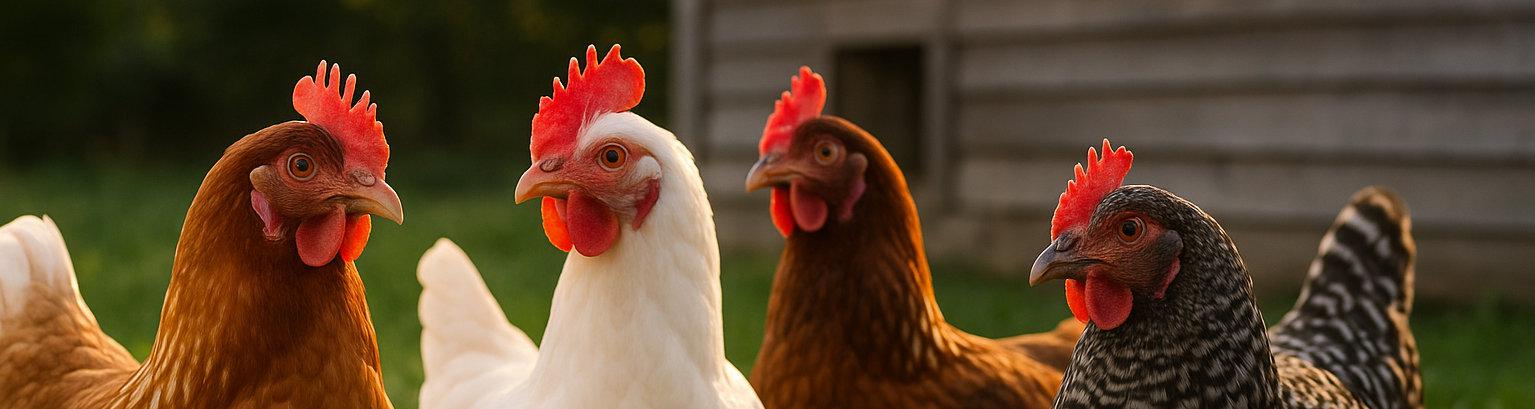
Building soil is building a garden. Compost turns kitchen scraps and yard waste into the healthiest, happiest beds—without buying a truckload of bagged mix.
Quick Start (the 60‑second version)
- Container: Pile, bin, tumbler, or worm bin. Use what you’ll actually maintain.
- Recipe: Aim for 2–3 parts “browns” (dry) to 1 part “greens” (fresh).
- Moisture: Like a wrung‑out sponge—damp, not soggy.
- Air: Fluff or turn weekly for fastest results.
- Heat: 130–150°F is “hot” composting. A cheap compost thermometer helps.
- Finish line: When it’s dark, crumbly, earthy smelling, and ingredients are unrecognizable.
Read: Soil Prep 101 and Raised Beds: Build & Fill Guide for a full bed‑ready system.
What is Compost (and Why It’s Garden Gold)
Compost is decomposed organic matter—leaves, straw, egg shells, veggie peels, chicken bedding—that turns into a nutrient‑rich amendment. It improves structure, fertility, water holding, and drainage, while feeding beneficial microbes. Translation: healthier plants and fewer problems.
This post contains affiliate links. As an Amazon Associate, I earn from qualifying purchases. If you use these links to buy something, I may earn a commission at no extra cost to you.
Choose Your Method
1) Open Pile
Fastest to start, cheapest. Needs space and occasional turning. Great for large leaf/yard volumes.
2) Bin (DIY or store‑bought)
Tidy, neighbor‑friendly. Holds moisture/heat better than a pile. Single, double, or triple bay.
3) Tumbler
Easiest to aerate (just spin), quicker if fed in batches. Limited capacity; best for kitchen scraps + small yard waste.
4) Worm Bin (Vermicompost)
Indoor/garage friendly, great in winter. Produces castings + “worm tea” (leachate). Needs a touch more care.
RIB Tip: The “best” system is the one you’ll use. If turning a pile sounds like a chore, get a tumbler. If you have fall leaf mountains, go pile/bin.
The Compost Recipe (Greens + Browns)
- Greens (nitrogen): fresh grass clippings, veggie/fruit scraps, coffee grounds & filters, tea leaves, green trimmings, fresh manure (chicken/rabbit/horse—compost first!).
- Browns (carbon): dry leaves, straw, shredded paper/cardboard, sawdust (untreated), wood chips, dried stems.
Target ratio: 2–3 parts browns : 1 part greens by volume.
If it smells ammonia‑ish → add browns.
If it’s dry/slow → add greens + a splash of water.
Step‑by‑Step: Build a Hot Compost Pile (Weekend Project)
- Pick the spot (or assemble bin/tumbler). Bare soil is best for piles—lets beneficials move in.
- Make a base: 4–6″ of chunky browns (twigs, straw) for airflow.
- Layer: 2 buckets browns → 1 bucket greens → sprinkle of soil/finished compost as a “microbe inoculant.”
- Moisten each layer like a wrung‑out sponge. Use a hose with a gentle spray.
- Build to volume: 3′ x 3′ x 3′ (1 cubic yard) heats best. Tumblers: fill to the manufacturer’s sweet spot (often 2/3 full).
- Cap with browns to deter flies/odors.
- Let it heat (24–72 hrs). When it hits ~140°F, turn or tumble to re‑oxygenate. Repeat weekly for 3–6 weeks.
Timeline: Hot method can finish in 4–8 weeks. “Cool”/no‑turn compost takes 3–9 months—less work, more patience.
Ongoing Care (Low‑Effort Rhythm)
- Feed in layers (browns on top of kitchen scraps). Keep a small bin of shredded cardboard/leaves nearby.
- Turn/tumble weekly in active phase; every few weeks once it calms.
- Moisture check: Squeeze test—few drops = perfect; streams of water = too wet.
- Particle size: Chop scraps/leaves → faster breakdown.
- Thermometer: Optional but motivating.
Troubleshooting (Fix It Fast)
| Symptom | Likely Cause | Quick Fix |
|---|---|---|
| Rotten/“trash” smell | Too many greens; too wet | Add dry browns; fluff; leave lid open a bit |
| Dry, not breaking down | Too many browns; too dry | Add greens; water lightly; cover |
| Not heating | Pile too small; low nitrogen | Build to 3’x3’x3′; add greens or a cup of alfalfa meal |
| Fruit flies | Exposed scraps | Bury greens; always cap with browns |
| Critters | Meat/fat/dairy added; food visible | Don’t add those; use secure bin/tumbler; cover well |
Print this: Ask me for the 1‑page Compost Troubleshooting PDF and I’ll generate it for you.
What Not to Compost (Keep It Clean & Safe)
- Meat, bones, oils/fats, dairy
- Diseased plants or weeds with mature seeds (unless your pile runs hot consistently)
- Cat/dog feces, glossy/colored inks, pressure‑treated sawdust
- Large amounts of citrus/onion in worm bins (small amounts are fine in regular piles)
Speed‑Up Tricks (When You’re Impatient Like Me)
- Shred leaves/cardboard (mower or scissors). More surface area = faster.
- Mix a “starter”: a shovel of finished compost/soil to seed microbes.
- Keep it moist & airy: the two real levers.
- Batch feed a tumbler: fill to 2/3, then stop adding and focus on turning.
Cold‑Climate & Winter Composting
- Build bigger: Mass holds heat.
- Insulate: Wrap bin with straw bales or an old moving blanket.
- Stockpile browns dry under cover for winter caps.
- Expect slowdowns: Microbes nap below freezing, then wake in spring—totally normal.
- Worm bins can live in a garage/utility room to keep castings coming year‑round.
Chicken Manure & Bedding (RIB Special!)
- Yes, compost it—it’s gold once aged. Fresh chicken manure is “hot” and can burn plants.
- Mix droppings + bedding (straw/shavings) with extra browns to balance nitrogen.
- Cure finished chicken‑based compost at least 3–4 months before garden use.
How to Know It’s Done (And How to Use It)
Done compost is dark, crumbly, and earthy. You shouldn’t recognize the inputs.
Use it to:
- Top‑dress raised beds: 1–2″ across the surface, then mulch.
- Planting holes: Mix 1 part compost with 2 parts native soil.
- Side‑dress veggies midseason: ½–1″ ring around plants (not touching stems).
- Lawn: ¼” sifted compost after aerating.
Optional: Screen through ½” hardware cloth for seed starting or topdressing.
Simple Gear We Actually Use
FAQs
Can I compost eggshells?
Yes! Great calcium source. (We also save some for chicken feed—see our Eggshells guide.)
How long does compost take?
Hot piles: 4–8 weeks. Cool/no‑turn: 3–9 months. Tumblers are usually in‑between.
Can I compost weeds?
Yes, but avoid mature seed heads unless your pile reliably hits 140–150°F.
Is mold in my pile bad?
No—fungi are excellent decomposers. Bright white threads are often actinomycetes doing their thing.
What about compost tea?
Leachate from bins/tumblers is not the same as actively aerated compost tea. When in doubt, use finished compost as a mulch/side‑dress—it’s safest and effective.